The allure of casinos
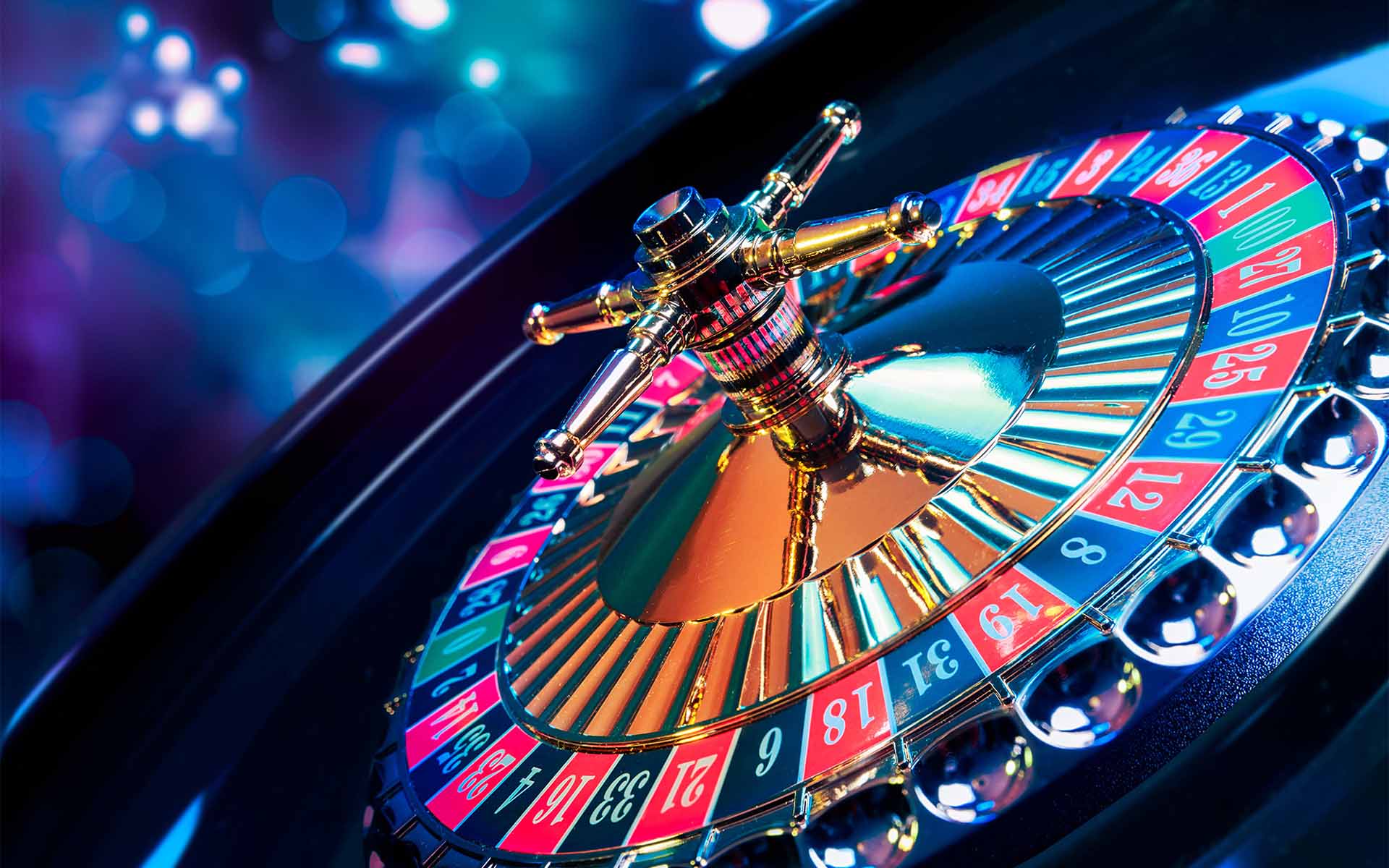
Entering a casino is often described as stepping into a realm filled with allure and excitement. The vibrant colors, flashing lights, and a cacophony of sounds create an atmosphere charged with energy that can be intoxicating. This sensory environment is meticulously designed to trigger emotional responses, evoking feelings of joy and anticipation. The sights and sounds are not mere distractions; they are essential elements that engage players on multiple levels, drawing them deeper into the gaming experience, and the opportunity to enjoy a visa fast withdrawal casino adds to the thrill. This immersive quality makes casinos an appealing destination for many, as they evoke a sense of adventure and thrill that is hard to replicate elsewhere.
Moreover, the layout of casinos is strategically engineered to keep players engaged for extended periods. Games are presented in visually stimulating formats, often with bright graphics and inviting themes, making them easy to approach for new players. The simplicity of the games allows individuals to quickly grasp the rules, eliminating initial barriers to participation. This accessibility, combined with the presence of fellow players who are either winning or enjoying the experience, cultivates a communal atmosphere that encourages people to join in. The collective excitement in the air acts as a powerful motivator for individuals to engage in gambling activities longer than they may have originally intended.
The phenomenon of a ‘winning streak’ adds another layer to the allure of casinos. Players often believe they are on the cusp of a significant win, which can create a compelling urge to continue betting. This psychological phenomenon not only enhances the thrill of the moment but can also lead to heightened levels of risk-taking. The ambiance of the casino fosters a mindset that encourages players to wager more, often leading to decisions driven by emotion rather than rationality. Thus, the combination of sensory overload, communal participation, and the lure of potential victories forms a potent cocktail that keeps players returning to the gaming floor.
The thrill of risk-taking
Risk-taking is an intrinsic part of human psychology, often associated with the pursuit of excitement and adventure. In the context of gambling, placing a wager can elicit a rush akin to other adrenaline-fueled activities like bungee jumping or skydiving. This thrill is not merely about the act of betting; it encompasses the anticipation of what might happen next. The brain releases dopamine, a neurotransmitter associated with pleasure, in response to this anticipation, often making the experience more addictive than the actual outcome. As players chase that high, they may find themselves drawn into increasingly risky bets in pursuit of the ultimate thrill.
The concept of loss aversion is another vital psychological factor influencing gambling behavior. Studies have shown that individuals are typically more driven to avoid losing money than to gain it, which can lead to a cycle of continued betting to recover losses. This irrational behavior often manifests when individuals find themselves on a losing streak, compelling them to place larger bets in the hope of breaking even. This psychological trap can be difficult to escape, as the fear of loss overshadows logical thinking, leading to decisions that can exacerbate their financial situation. The pressure to recover losses can create a self-perpetuating cycle that keeps players engaged in gambling, even when it is not in their best interest.

This conflict between emotional impulses and rational thought illustrates the complexity of gambling psychology. Many players may prioritize the immediate thrill of potential rewards over more long-term considerations, such as financial stability or personal well-being. This tendency to chase excitement can explain why numerous individuals return to casinos despite previous setbacks. The allure of possible victories often outweighs the fear of further losses, highlighting the powerful grip that the psychology of risk-taking has on the gambling experience.
The social connection
The social aspect of gambling plays a significant role in attracting individuals to casinos. While many people engage in gambling as a solitary activity, the environment of a casino encourages social interaction, making it a communal experience. Players often share in the excitement, celebrating wins together or commiserating over losses. This shared experience can transform gambling from a simple pastime into a social event, fostering a sense of camaraderie and connection among participants. Such interactions can enhance the overall enjoyment, as the emotional highs and lows are often amplified when shared with others.
Additionally, social proof significantly influences gambling behaviors within casinos. When individuals observe others winning or enjoying their time, it can create a compelling desire to participate. This phenomenon, known as the fear of missing out (FOMO), can drive people to gamble in hopes of experiencing similar joy and excitement. The presence of other players, particularly those who appear to be having a great time, creates an atmosphere that encourages participation and engagement. The psychological impact of witnessing others’ success can be a powerful motivator, prompting individuals to join in even if they had not initially intended to gamble.
Socializing in casinos also leads to the formation of rituals and traditions that enhance the experience. Celebrating a jackpot win with friends or participating in group activities like poker nights can create lasting memories and strengthen bonds among players. These social ties can make gambling more enjoyable, as the shared experiences contribute to a sense of belonging. The emotional connections formed in these settings can deepen individuals’ relationships with gambling, making it an integral part of their social life and personal identity.
The impact of marketing and promotions
Casinos employ various marketing strategies to tap into the psychological triggers that encourage gambling. Promotions such as welcome bonuses, free spins, or loyalty programs are not merely financial incentives; they are cleverly designed psychological hooks that enhance the perceived value of gambling. By presenting these offers attractively, casinos can draw in individuals who might be hesitant to gamble, creating a compelling reason for them to engage with the casino’s offerings. The excitement surrounding these promotions can often overshadow the potential risks associated with gambling.
Additionally, the concept of scarcity is often leveraged in casino promotions, where limited-time offers create a sense of urgency. This urgency can compel individuals to act quickly, fearing that they might miss out on a unique opportunity. Such marketing tactics play on deep-seated psychological principles, prompting players to engage in gambling behavior they might otherwise resist. The effective presentation of these promotions combined with the thrill of potential rewards can create an environment where individuals feel an irresistible urge to participate.
Branding also plays a critical role in shaping players’ perceptions of casinos. Different establishments may emphasize various aspects, such as luxury, excitement, or fun, to resonate with their target audience. This strategic approach to branding influences players’ motivations and expectations, forming their overall experience. By aligning their marketing strategies with psychological insights, casinos can effectively appeal to the emotions and desires of potential players, ultimately driving engagement and participation in their gambling activities.
Understanding the psychology of gambling
Grasping the psychology behind gambling is crucial for both players and those operating within the casino industry. By understanding the motivations that drive individuals to gamble, casino operators can develop strategies that promote responsible gaming practices and foster a healthier relationship with gambling. Raising awareness about the psychological aspects can help players recognize their behaviors and make informed decisions regarding their gambling habits, potentially mitigating negative impacts.
Furthermore, casinos can benefit from implementing measures that prioritize the well-being of their patrons. By fostering an environment that encourages responsible gaming, operators can cultivate a positive reputation while ensuring long-term sustainability. This approach may involve offering resources for support, self-exclusion programs, and educational initiatives about the risks associated with gambling. By understanding the psychological factors at play, the industry can create a more ethical approach to gambling.
For players, gaining insight into their motivations can illuminate their gambling behaviors, allowing them to approach the activity with a more balanced mindset. Recognizing the interplay of thrill, social connection, and marketing influence can empower individuals to make conscious choices and reduce the likelihood of adverse outcomes. Ultimately, a deeper understanding of the psychology behind gambling can lead to a more responsible and enjoyable experience for all involved.